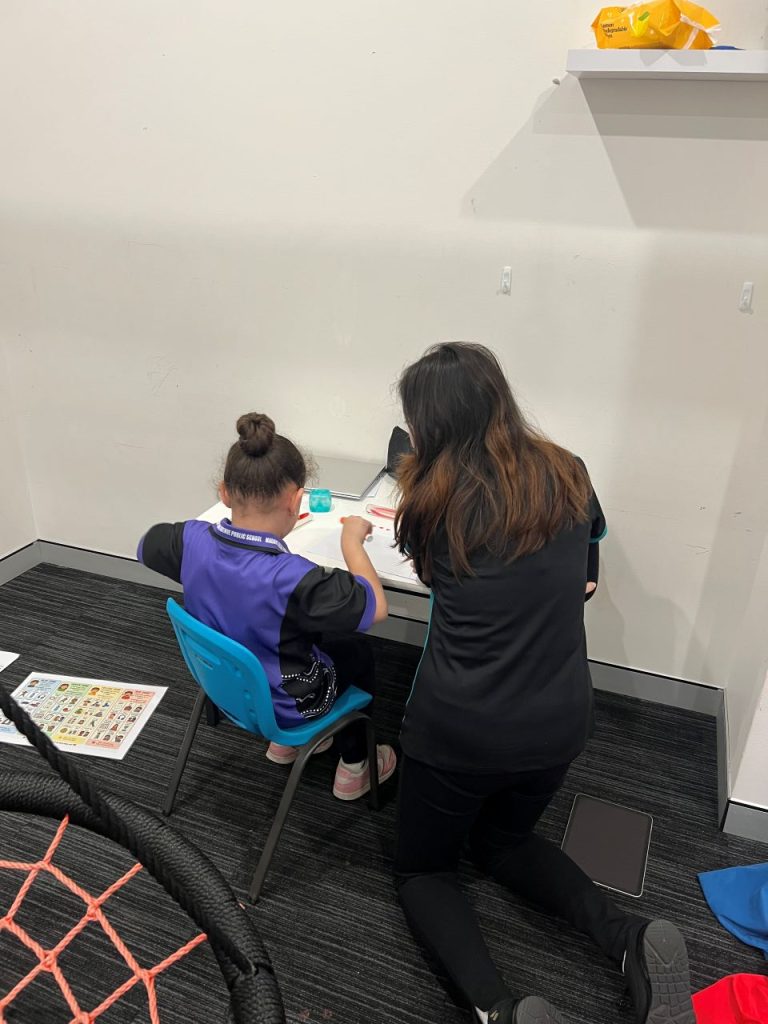
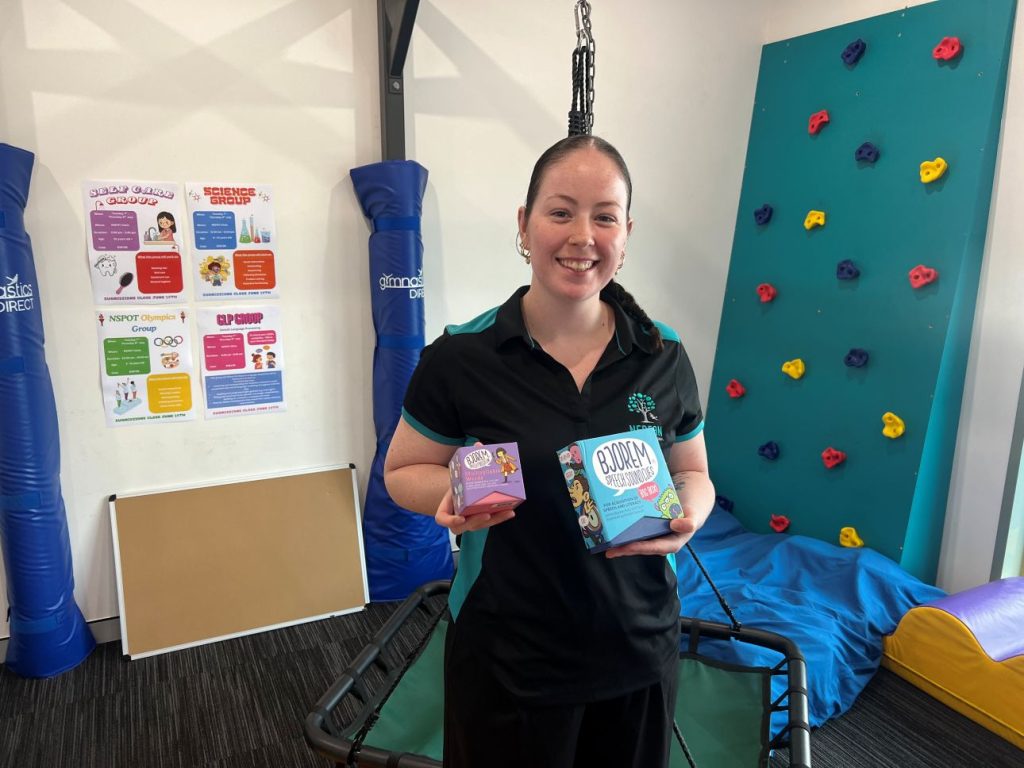
This OT Week, we are celebrating the theme Participation Matters and recognising just how important participation is for every child. As paediatric occupational therapists, participation is at the heart of…
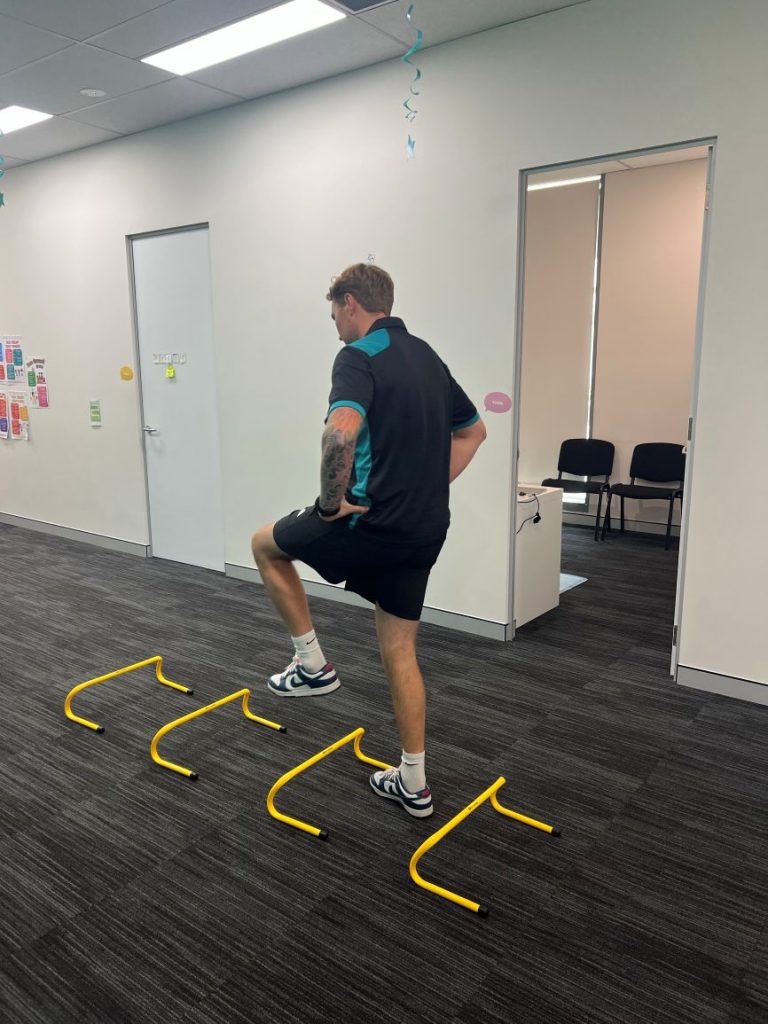
Children develop at their own pace, and some may need extra support to develop their strength, coordination, balance and confidence with movement. Exercise Physiology (EP) can play an important role…
This R U OK?Day, we would like to take a moment to check in with the parents and carers supporting children with additional needs. Supporting your child may involve attending…
has on our everyday lives and the important role Speech Pathologists play in supporting people across the lifespan. This year’s theme, Communication Creates Possibility, highlights something Speech Pathologists see every…
Each year, NAIDOC Week provides an opportunity for all Australians to celebrate and recognise the history, culture, achievements, and contributions of Aboriginal and Torres Strait Islander peoples. It is a…
As parents and caregivers, one of the most important roles we can play is advocating for our child’s needs – especially when it comes to their speech and language development…
Apraxia Awareness Day is an opportunity to raise understanding of a speech disorder that is often misunderstood, and to celebrate the children, families, and communities navigating it every day. If…
At our paediatric Occupational Therapy and Speech clinic, we often hear the term “sensory issues” used to describe a child’s behaviour or responses to everyday experiences. While this language is…
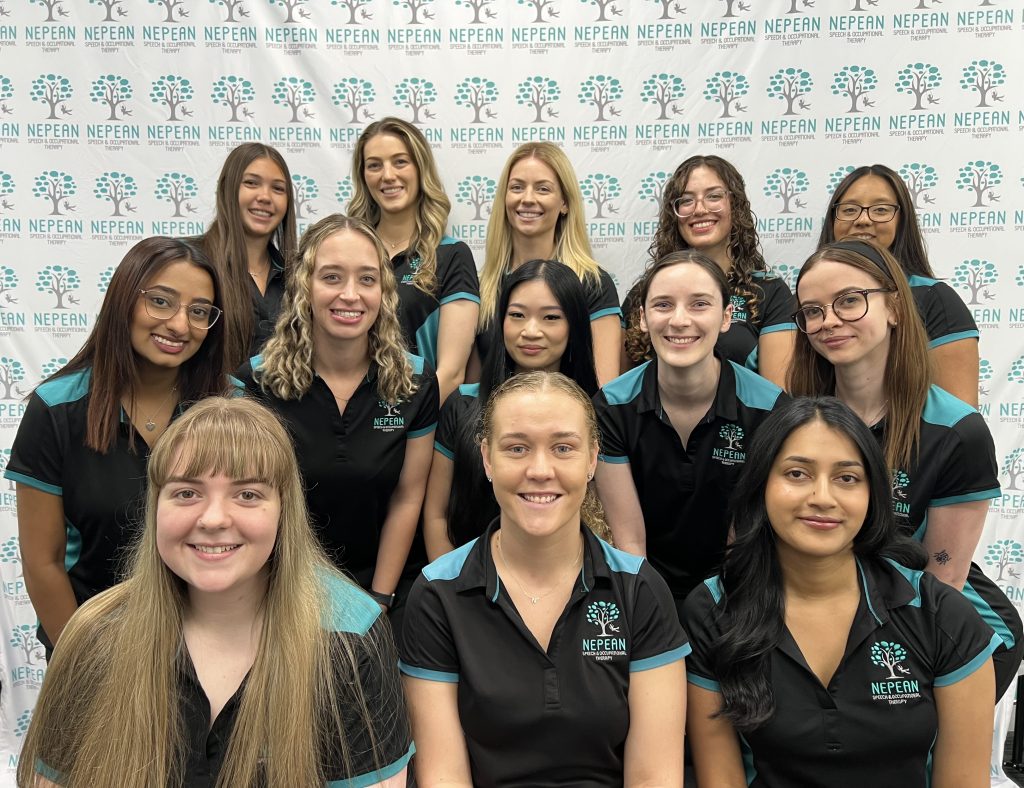
As 2025 comes to a close, we’re taking a moment to reflect on a truly incredible year at NSPOT. It has been full of milestones, celebrations, growth, and countless moments…
Children often experience the world through their senses, and sometimes the information can feel overwhelming. One of the most powerful ways to help children regulate their emotions, focus, and stay…
Play is a fundamental part of how children learn, connect, and make sense of the world. But did you know that autistic children often engage in play differently than their…
As parents and caregivers, one of the most common strategies we use to encourage language development is asking ‘WH’ questions: Who? What? Where? When? Why? How? But did you know…
When it comes to supporting children’s regulation, we often hear about the five “main” senses, sight, hearing, taste, smell, and touch. But there’s another sense that plays a huge role…
For many years, “good sitting”, still, quiet, hands in lap, has been seen as the gold standard for learning. But for many children, especially neurodivergent children, being asked to sit…
When people hear “AAC” (Augmentative and Alternative Communication), they often think of high-tech devices or picture boards for children who can’t speak. But AAC is so much more than that,…
How many times have we heard the phrase, “Sit still and concentrate”? For decades, the idea that learning requires stillness has shaped classrooms and homes. But here’s the truth: movement…