

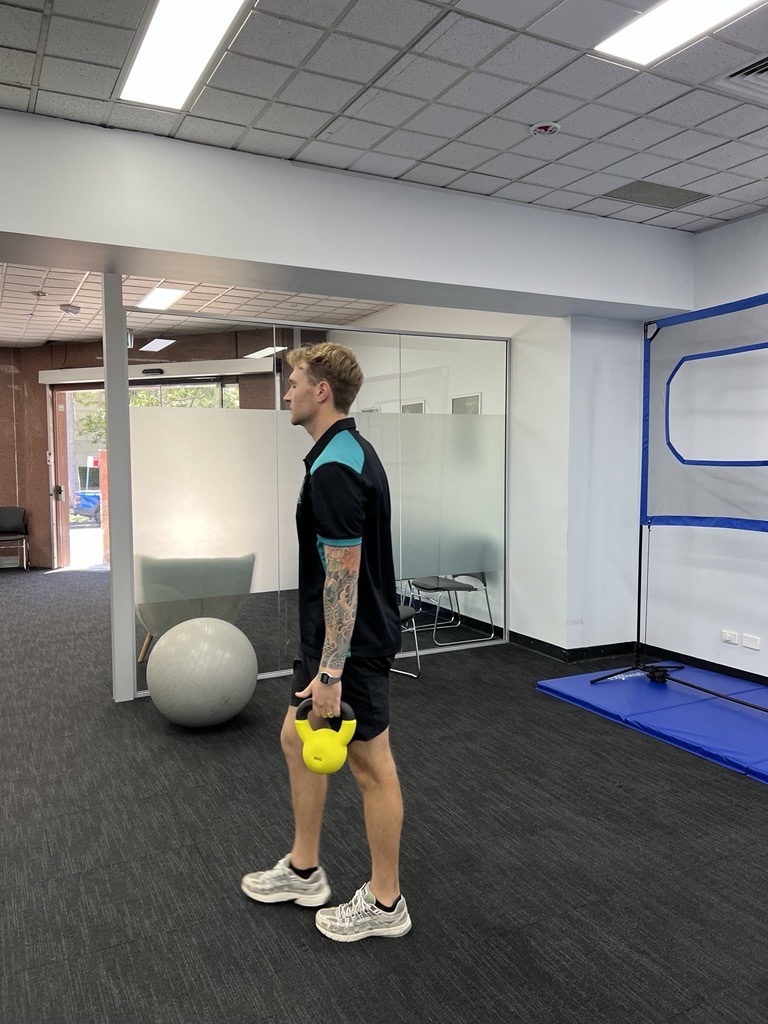
If you live with persistent pain, being told to “just get moving” can feel dismissive or sometimes frightening. You’ve probably learned that some movements make things worse, and it’s normal for your body to want to protect itself when in pain.
The good news is that exercise is one of the most effective, evidence-based tools for managing chronic pain, and you don’t need to push through it to benefit. The key is start with movement that is achievable in a way that suits your body, at a level you can sustain. This blog will help give you an idea of how to begin and make sense of pain during activity, and when you should book in to see an exercise physiologist.
Why movement and exercise helps
Chronic pain is generally defined as pain that lasts three months or longer. Over time, the nervous system can become more sensitive and protective, so pain can persist even after tissues have healed, or flare with very little stimulus. Pain is real, but it isn’t always a reliable measure of damage to the body.
Regular tailored exercise can help by:
- Gently retraining a sensitised nervous system to tolerate movement.
- Building strength and endurance, so everyday tasks feel less demanding.
- Improving sleep, mood and energy, which all contribute to pain levels.
- Improving confidence in your body and reducing fear of movement.
Some tips to get started:
- Check in with your GP first: If you’re new to exercise, have other health conditions, or your pain has changed recently, it’s a good idea to check in with your gp first to rule out any medical conditions that need attention first.
- Start low and gradually progress: Five to ten minutes of walking, light intensity cycling, or a few simple strength exercises is a great starting point. From this you can always progress once learn to tolerate some load and pain reduces.
- Choose activities that you enjoy: The best exercise is the one you’ll keep doing. Find something that interest you and that will help motivate you to show up, whether that be tai chi, yoga, resistance training or swimming.
- Pace yourself: Spread activity across the week, consistency beats intensity on one good day. Increase gradually, by small amounts, and only once the current level feels manageable.
- Track how you respond: Note what you did and how your body responds both that day and the day after. This is useful to guide intensity for yourself and to help inform your health practitioner to make changes to a program where needed.
Making sense of pain during exercise
One of the biggest worries is: “How do I know if I’m doing too much?” A simple traffic-light approach can help. Rate your pain from 0 to 10 and notice how it behaves during and after activity.
- 0-4 = green, pain stays about the same and settles within 24hrs. This is the sweet spot, and we typically like to stay within this range in the 0-10 scale for pain when exercising.
- 5-8 = orange, pain rises to a significant amount where you feel uncomfortable and experience symptoms the next day. This range is potentially to high and will need to dial back intensity/movement to avoid flare ups.
- 8-10 = red, pain is sharp and severe, worsening over the day with potentially new symptoms. This indicates the movement you have tried to complete was to much and you should check in with your gp or health practitioner to help manage recovery and adjust the plan.
Flare-ups happen, and they’re not failure. If your pain flares, scale back rather than stopping altogether. Keep moving gently, return to a lower level for a few days, then build up again. Total rest for long periods tends to make things harder, not easier.
Seek medical advice promptly if you notice new or unexplained pain, numbness or tingling, weakness, fever, unexplained weight loss, chest pain, or any loss of bladder or bowel control.
When to see an exercise physiologist
Many people can begin gentle activity on their own. But if you recognise yourself in any of the following, an exercise physiologist can make the process safer, faster and a lot less stressful:
- You’ve tried exercising before and it flared your pain, so you’ve stopped.
- You’re unsure which exercises are safe for your condition, or what “too much” looks like for you.
- You live with more than one condition, such as arthritis, diabetes, heart disease or a recent injury.
- You feel afraid of movement or stuck in a boom-and-bust cycle.
- Your pain is affecting your work, sleep, mood or ability to do things you value.
- You want a structured plan that adjusts as you improve.
Accredited exercise physiologists are university-qualified health professionals who specialise in using exercise to manage chronic conditions and injury. In a session, an exercise physiologist will typically:
- Take a detailed history of your pain, goals and what matters to you.
- Assess your strength, movement, fitness and how your body responds to load.
- Build a tailored exercise program based on your goals and current fitness level.
- Teach you pacing and flare-up strategies you can use on your own.
- Progress your program over time based on your symptoms and confidence.
Depending on your circumstances, support for exercise physiology is available through Medicare (GP referral under a Chronic Condition Management Plan), private health, NDIS, DVA, or workers compensation schemes. It’s worth asking your GP and your health fund what applies to you.
Take the first step
Living with chronic pain doesn’t mean you have to give up movement, and you don’t have to work out the right approach alone. Start small, listen to how your body responds, and build from there.
If you’d like support getting started, we’d be glad to help. Book an appointment with Lachie to talk through your goals and develop together a tailored program that fits you.
